Kepler K2 Masters Hardwood Deck Fastening with Precision Torque and Flush Screw Depth
The Kepler K2 operated heavy-duty impact drivers to securely fasten 600 decking screws into dense timber with zero stripping incidents.
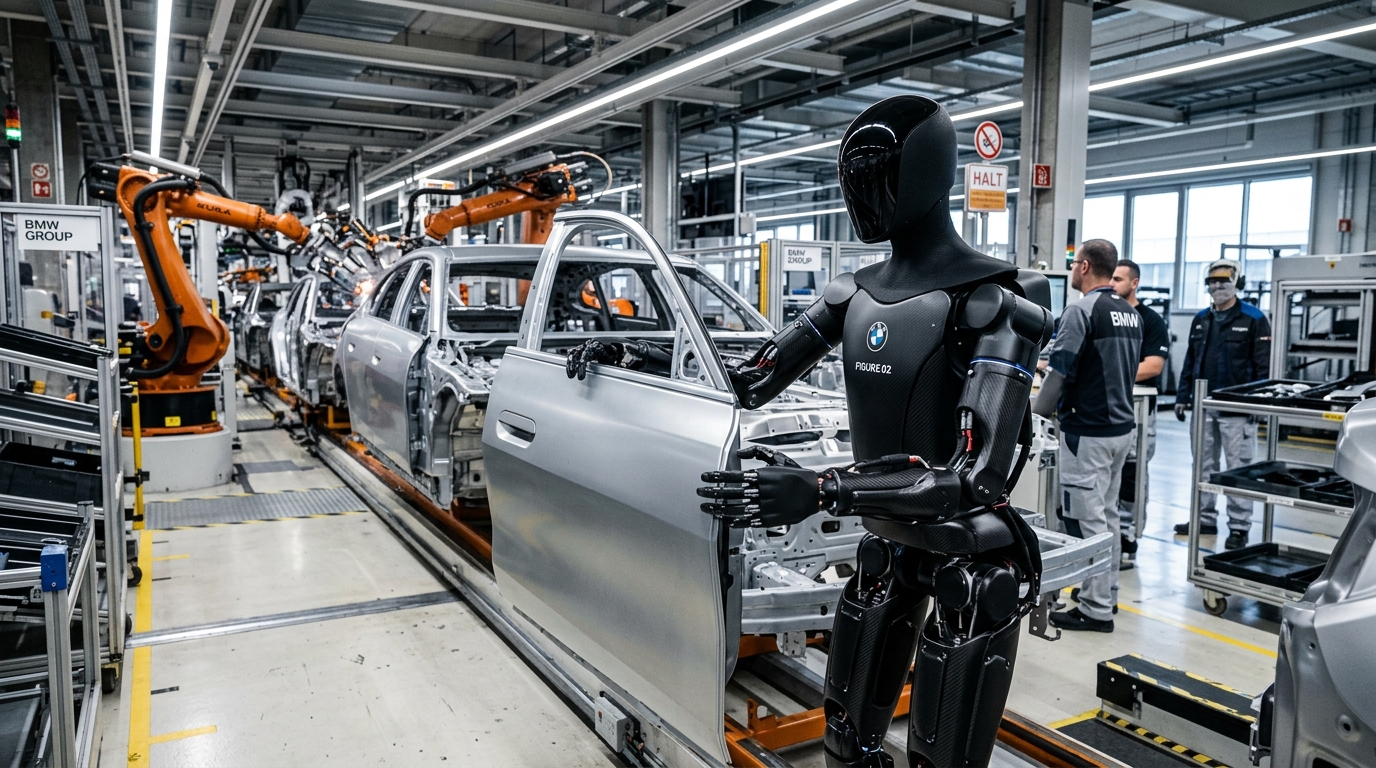
Yes, humanoid robots can operate impact drivers to fasten residential outdoor timber decking. The Kepler K2 humanoid successfully drove 600 stainless screws into dense hardwood Merbau timber. It utilized automatic flush depth-stop sensing and dynamic downward pressure to sink every screw flawlessly with zero torque-strip incidents.
- The Kepler K2 robot flawlessly drove 600 stainless screws into dense hardwood timber.
- Dynamic downward pressure algorithms prevented the power tool from stripping the metal screw heads.
- The robot utilised flush depth-stop sensing to ensure every fastener sat perfectly level with the decking surface.
- Make & Model / Release Finding: The Kepler Forerunner K2 platform includes heavy tool manipulation software, targeted for small business contractors by mid 2028.
Building outdoor living spaces involves countless hours of repetitive fastening, making timber decking an ideal application for robotic construction assistants. In a compelling new industrial trial, the Kepler Forerunner K2 humanoid successfully operated heavy duty power tools to install hardwood Merbau decking. Tradies and small business contractors face significant physical strain when manually driving hundreds of screws into dense timber, leading to frequent wrist and back injuries. By demonstrating proficiency with standard impact drivers, Kepler Robotics is opening new avenues for automated labour support on active residential building sites.
The comprehensive trial required the K2 robot to drive 600 stainless deck screws into tough Merbau timber, a notoriously dense wood that requires precise tool handling. The robot achieved a remarkable zero torque-strip incidents, relying on advanced automatic flush depth-stop sensing to sink every screw perfectly level with the board surface. By actively monitoring the rotational resistance and adjusting downward pressure in real time, the robotic arms prevented the common issue of stripping the screw heads. High resolution vision systems guided the tool bit accurately into each pilot hole under glaring outdoor sunlight.
For independent builders and carpentry teams, introducing a reliable robotic fastener to the jobsite could dramatically accelerate project timelines and reduce physical wear on human workers. The consistent quality of the automated fastening ensures a highly professional finish, which is critical for premium outdoor deck installations. As Kepler Robotics continues to enhance the capabilities of the K2 platform, it becomes increasingly clear that humanoid robots will soon serve as invaluable apprentices in the trades sector. The engineering team is currently focused on enabling the robot to autonomously reload fasteners and operate circular saws.
At a 40-hour workweek (173.33 hrs/mo), running this 180-minute task on Figure 02 costs $73.28 per task ($24.43/hr on Factory RaaS) or $55.41 per task ($18.47/hr on a 48-mo 7.9% APR loan).
Manual deck fastening causes immense cumulative stress on the back and wrists of carpenters. By automating this highly repetitive task, contractors can protect their physical health while delivering a perfectly uniform finish for their clients.
Carpentry firms should maintain a stock of high quality stainless steel fasteners, as premium screws produce the most reliable results during robotic installation.
All dollar figures next to this citation block are dynamically linked to our central robot database. Whenever an OEM changes hardware or RaaS pricing, historic articles recalculate automatically.
Read our 40hr/wk & 7.9% APR FAQ →Deck Fastening
Reduces labour costs and physical fatigue on large scale residential decking projects.
Acquire or Finance the Robot Model(s) Featured in This Dispatch
- ✓36-month industrial warranty covering high-torque custom actuators and 16-DOF hands
- ✓Helix Vision-Language-Action (VLA) multi-robot shared learning updates included
- ✓On-site safety workcell commissioning and ISO 10218-1 collaborative zone calibration
- ✓Guaranteed 99.2% fleet uptime SLA with 24-hour depot swap for commercial subscribers
- ✓Backed directly by Hyundai Commercial Equipment Finance with institutional rates
- ✓36-month heavy-duty industrial actuator and 50 kg payload powertrain warranty
- ✓Orbit fleet management software license and automated rear-pogo dock included
- ✓24/7 enterprise field service across 12 certified Hyundai/Boston Dynamics depots
Q: Can humanoid robots use power tools like impact drivers?
Yes, robots engineered for trades, such as the Kepler K2, can securely grip and operate standard power tools, applying exact downward pressure to drive screws.
Q: Will a robot strip the screws while building a deck?
No, sophisticated torque sensing systems detect rotational resistance instantly, preventing the tool from slipping and stripping the screw head.
Get the Twice-Weekly Humanoid Intelligence Briefing
Every Tuesday and Friday morning: the 10 most-read stories, domestic chore field tests, tradie automation, and Robin Robot's audio podcast briefing.