Elderly Mobility Support: How Soft-Clothed Humanoids Offer Steady Balance Without Rigidity
ISO 13482 compliant robots provide physical arm support that gently matches human pacing during hallway walks.
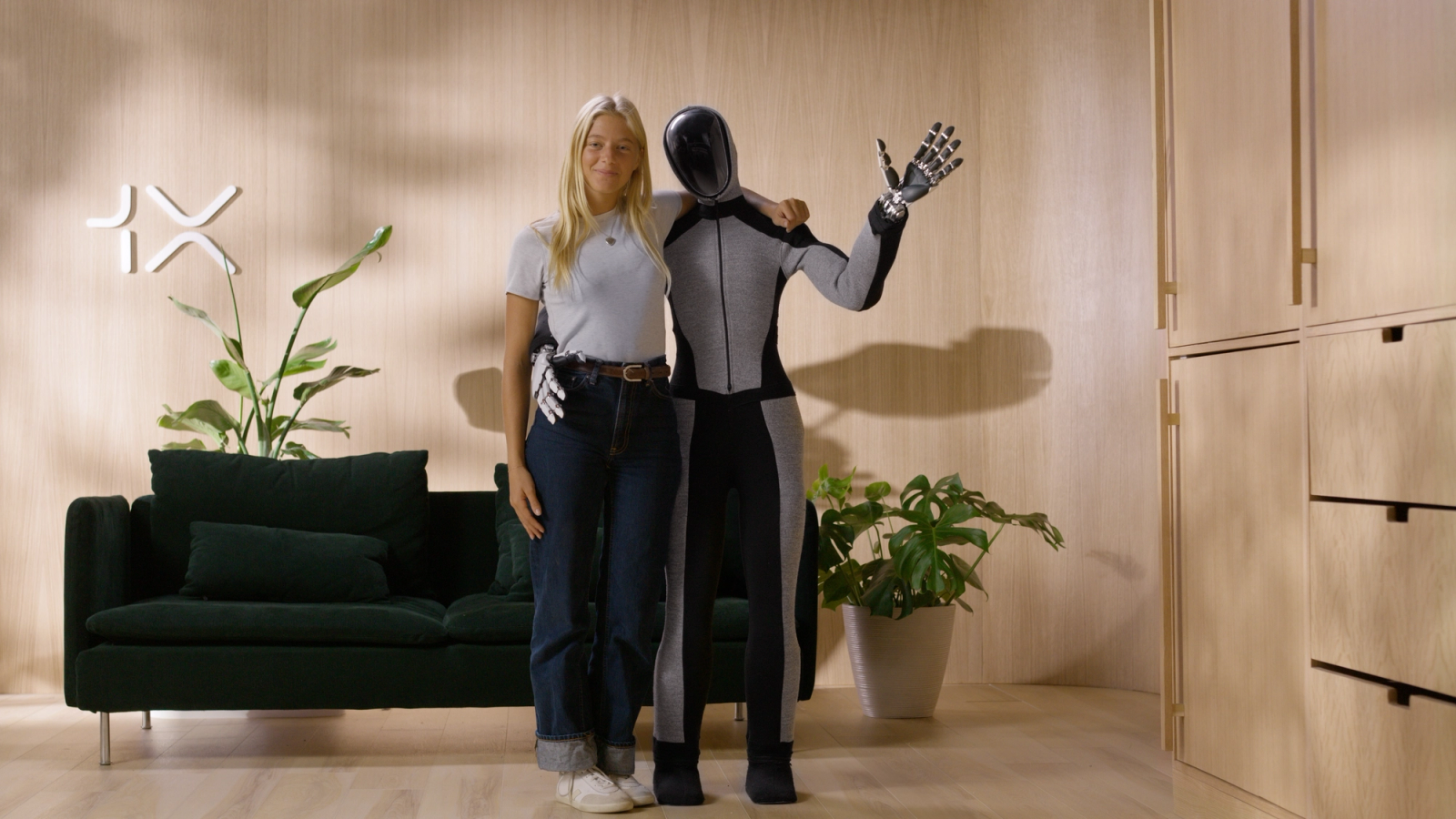
- Soft textile exterior and tendon-driven joints provide gentle, bruise-free arm support.
- Proportional weight-transfer sensing assists seniors rising from armchairs naturally.
- Instantaneous impedance stiffening catches stumbles during hallway walks under ISO 13482.
Supporting an elderly relative who experiences morning stiffness or mild balance instability requires empathetic physical touch rather than metallic rigidity. The 1X Neo platform, wrapped in a soft textile suit with compliant tendon-driven joints, is showing extraordinary promise in residential elder support trials.
When assisting a senior to stand from an armchair, the humanoid positions itself within arm's reach and extends a steady forearm. Unlike a rigid walking frame, the robot acts as an active spring, sensing the user's weight transfer and providing upward assistance proportional to effort.
During hallway walks, the robot walks alongside, matching the senior's cadence. If the user stumbles or sways, the humanoid's low-inertia joints stiffen instantaneously to catch the fall without causing bruising or arm wrenching, allowing seniors to maintain independence at home with dignified support.
Domestic fall prevention allows aging family members to stay safely in their cherished homes rather than transitioning to aged care facilities.
Ensure domestic hallway rugs have anti-slip rubber underlays to maintain traction for both seniors and robotic companions.
Get the Twice-Weekly Humanoid Intelligence Briefing
Every Tuesday and Friday morning: the 10 most-read stories, domestic chore field tests, tradie automation, and Robin Robot's audio podcast briefing.