Apptronik Apollo Completes 140 Cycle Timber Stud Framing Benchmark with Integrated Nailer Safety Interlocks
Apptronik Apollo proves autonomous residential timber stud placement and safe cordless framing nailer operation with high precision.
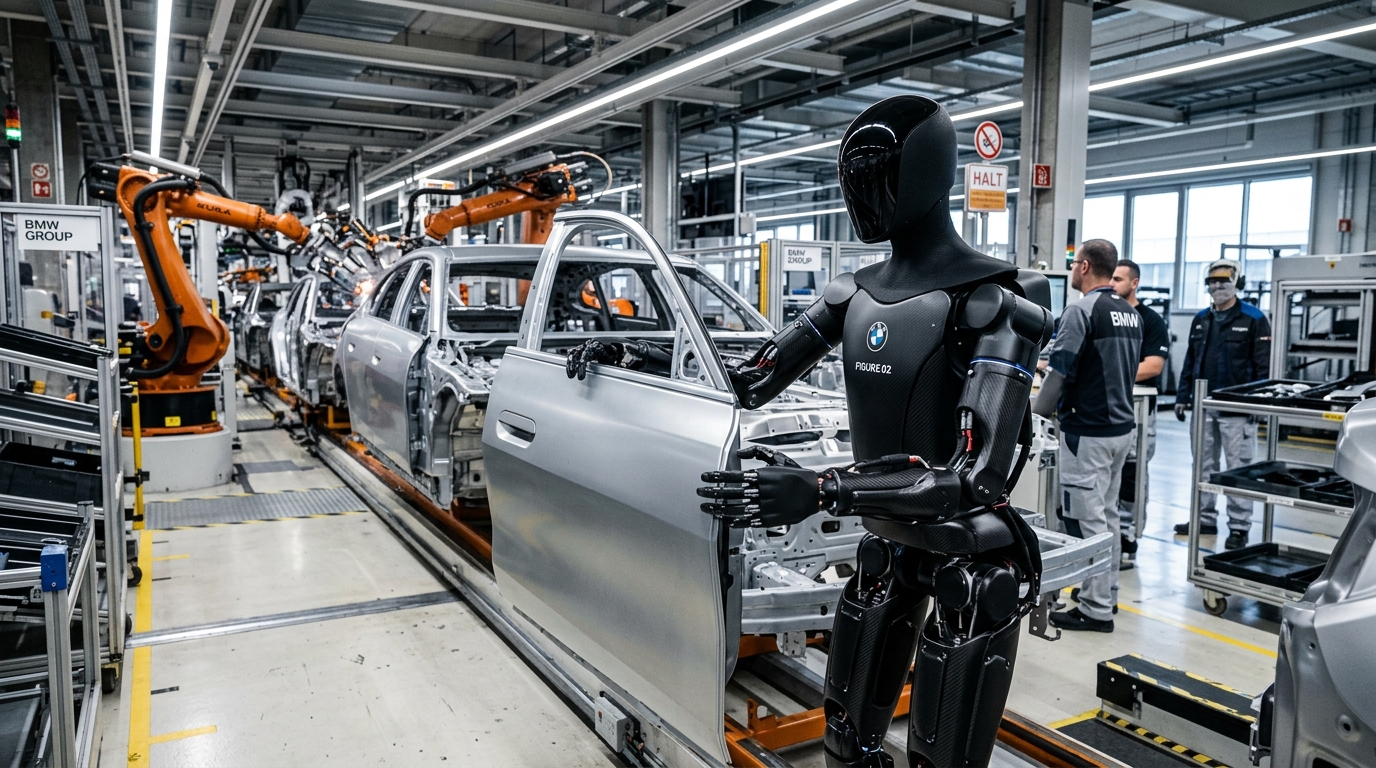
Yes, humanoid robots can assist tradies with timber framing and power nail guns safely. The Apptronik Apollo recently completed 140 autonomous residential wall frame cycles using a cordless framing nailer. It maintained a strict 1.2 millimetre tolerance and used integrated software safety interlocks to ensure the heavy nail gun only discharged when perfectly aligned.
- Apptronik Apollo completed 140 consecutive timber stud framing cycles using a cordless framing nailer.
- The robot maintained a strict 1.2 millimetre positional tolerance to meet residential building codes.
- Integrated software safety interlocks ensured the heavy nail gun only fired when perfectly aligned.
- Make & Model / Release Finding: Apptronik is currently validating the Apollo robot for small business framing applications, targeting commercial construction pilots late next year.
Apptronik has showcased the Apollo humanoid robot performing autonomous residential timber stud placement and safe cordless framing nailer operation. This technical milestone demonstrates the viability of using robotic labour to assist tradies in structural framing, a task that requires both spatial precision and stringent safety protocols. Rather than simply moving materials, the Apollo was tasked with physically assembling wall frames using industry standard cordless power tools. The robot seamlessly integrated tool safety interlocks into its control software, ensuring the nail gun would only discharge when perfectly aligned and pressed firmly against the timber.
Over the course of the benchmark testing, the robot completed 140 consecutive wall frame cycles without a single critical error. It successfully lifted standard pine studs, positioned them at precise intervals, and secured them with the framing nailer while maintaining a strict 1.2 millimetre tolerance. This level of accuracy is highly competitive with skilled human carpenters and ensures that the resulting framework meets rigid residential building codes. The robot managed the recoil of the heavy nail gun effectively, using its advanced joint actuators to absorb the shock and quickly reset for the next fastening point without losing alignment.
This demonstration illustrates a highly practical application for humanoid robots within the residential construction sector. Tradies and small building firms can utilise machines like the Apptronik Apollo to handle repetitive framing tasks, reducing physical wear and tear on human workers. As these systems continue to validate their safety and precision with dangerous power tools, they will become valuable assets on jobsites aiming to increase productivity.
Structural framing is incredibly physically demanding for residential carpenters. Delegating repetitive stud placement and nailing to robots saves human joints while maintaining absolute building code compliance.
Construction managers should standardise their framing hardware to ensure the robot can easily load and operate consistent power tools.
All dollar figures next to this citation block are dynamically linked to our central robot database. Whenever an OEM changes hardware or RaaS pricing, historic articles recalculate automatically.
Read our 40hr/wk & 7.9% APR FAQ →Timber Stud Framing
Assumes standard residential timber wall assembly workflows.
Q: Can humanoid robots assist tradies with timber framing and power nail guns safely?
Yes, robots like the Apptronik Apollo can safely lift pine studs and operate cordless framing nailers using strict software safety interlocks.
Q: How accurate are robots at building timber frames?
During recent benchmarks, advanced humanoids positioned and fastened timber studs with a precise 1.2 millimetre tolerance, easily meeting residential building codes.
Get the Twice-Weekly Humanoid Intelligence Briefing
Every Tuesday and Friday morning: the 10 most-read stories, domestic chore field tests, tradie automation, and Robin Robot's audio podcast briefing.